These Are the Panties People Are Choosing This Season
Why This Season’s Underwear Trends Matter
Underwear does quiet work, yet it shapes how clothes sit, how long you stay comfortable, and how confidently you move through a day. This season, shoppers are paying closer attention to softness, breathability, and cuts that disappear under real wardrobes rather than fantasy outfits. Fashion still matters, but practicality is clearly steering the conversation. That makes now a useful moment to look at trends, classic panty styles, and what everyday comfort really means.
An overview of panties people are choosing this season, focusing on fabric choices, fit, and everyday wear.
That sentence captures the heart of the topic because underwear trends are no longer driven only by color stories or lace details. Many people now shop with a more grounded checklist in mind: Will this pair stay in place during a commute, feel manageable in warm weather, and work under trousers, denim, dresses, or active basics? Retail assortments reflect that change. Cotton-rich briefs, seamless bikinis, high-waisted cuts, and soft modal blends keep appearing because they answer ordinary needs with far more consistency than novelty pieces. Even trend-led shoppers often want something beautiful that still survives a long day at work, a grocery run, and an evening on the sofa.
This article begins with a practical outline and then expands each point in detail. The structure is simple, but the topic is surprisingly rich because underwear sits at the meeting point of fashion, routine, fit, body changes, and fabric technology.
- First, it looks at the broader seasonal shift and why comfort has become central rather than secondary.
- Next, it examines fabric trends, including cotton, modal, microfiber, and stretch blends.
- It then compares the most popular panty styles and explains where each one tends to work best.
- After that, it explores the details that define everyday comfort, from waistbands to seams and care habits.
- Finally, it offers a practical conclusion for readers who want to build a better underwear drawer without overbuying.
Think of this as a wardrobe conversation that starts below the surface but affects nearly everything layered on top. When underwear fits well, clothing falls better, movement feels easier, and small annoyances stop stealing attention. When it does not, even a polished outfit can become distracting within an hour. That is exactly why seasonal underwear trends deserve a closer look: they reveal what people actually want to wear, not just what looks good on a product page.
Fabric Trends Defining What People Reach For Now
If this season has a clear winner, it is fabric that feels good before it looks impressive. Shoppers are leaning toward materials that help regulate temperature, reduce irritation, and keep their shape after repeated washing. Cotton remains a cornerstone because it is breathable, familiar, and easy to care for. For many people, especially those building an everyday rotation, cotton blends offer the best balance of softness, durability, and price. Organic cotton also continues to attract attention among shoppers who want natural fibers and a more considered supply chain, though the feel of the finished garment still depends heavily on knit quality, waistband construction, and finishing.
Modal and similar regenerated cellulosic fibers have also become highly visible in seasonal collections. These fabrics are often praised for a smooth hand feel, a light drape, and a softness that can make them feel less bulky under fitted clothing. They are especially popular in hipsters, briefs, and high-waisted styles designed for long wear. Microfiber, meanwhile, appeals to people who want a sleek finish under close-fitting garments. It often dries faster than heavier fabrics and can create a cleaner look under tailored trousers, knit dresses, or leggings. The trade-off is that some wearers prefer the more natural feel of cotton for all-day use, especially in hot or humid conditions.
Lace has not disappeared, but it is being used differently. Rather than dominating the whole garment, lace often appears as a trim, side panel, or edge detail. That shift makes sense. Many shoppers still enjoy a refined look, yet they want it without scratchiness or fragile construction. The same can be said for mesh accents and bonded edges, which give a modern finish while keeping the overall pair functional.
- Cotton is widely chosen for breathability and straightforward care.
- Modal is popular for softness, drape, and a lighter feel.
- Microfiber works well when a smoother, less visible finish matters most.
- Stretch blends help garments recover their shape after movement and washing.
- Trim details are replacing overly ornate construction in many everyday styles.
The broader trend is not really about one miracle fabric. It is about matching material to use. A person may want cotton briefs for daily wear, seamless microfiber bikinis for fitted outfits, and soft modal high-rise pairs for lounging or travel. That layered approach reflects a more realistic way of shopping. Instead of expecting one fabric to solve every need, people are building small rotations that support the actual rhythm of their week. In that sense, this season’s fabric story is less about hype and more about intelligent variety.
Popular Panty Styles and How They Compare in Real Life
Style preference is deeply personal, but seasonal popularity usually reveals which cuts are solving the most common wardrobe problems. Right now, there is no single dominant shape. Instead, several silhouettes are sharing space because people want options that match different clothes, body types, and routines. The old idea that one style is universally flattering has lost ground. A better question is simpler and far more helpful: what feels reliable on an ordinary day?
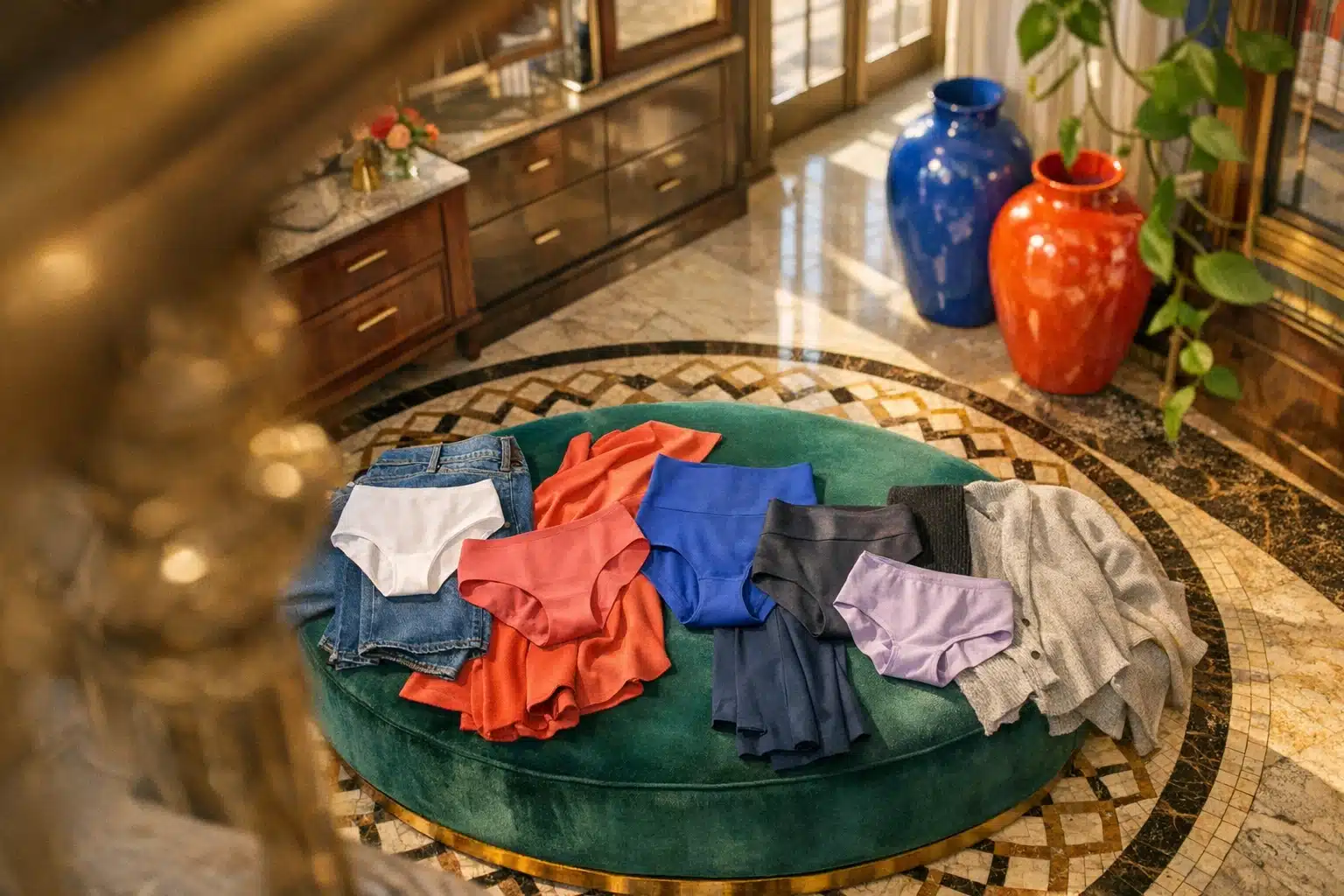
Briefs are having a steady and deserved moment. Classic briefs offer fuller coverage, a secure fit, and a practical feel that many people rediscover after years of chasing narrower cuts. Modern versions are less rigid than older stereotypes suggest. They now come in smoother knits, softer elastics, higher leg openings, and cleaner waist finishes, so they can feel contemporary rather than utilitarian. High-waisted briefs are especially visible this season because they pair easily with high-rise denim, wide-leg trousers, and dresses that benefit from a smoother line through the midsection.
Bikini styles remain a favorite for balance. They are often chosen by people who want less coverage than a brief but more stability than a very minimal cut. A well-made bikini can be one of the most versatile options in a drawer because it works with jeans, skirts, and everyday dresses without feeling bulky. Hipsters occupy a similar space, sitting slightly lower on the waist and often offering a sportier shape. They are frequently preferred under casual clothing and can suit people who dislike fabric reaching too high on the stomach.
Thongs continue to be popular for one practical reason: they minimize visible lines under certain garments. For fitted skirts, slim trousers, or lightweight dresses, that advantage matters. However, seasonal interest has shifted toward softer thongs with wider waistbands, smoother edges, and more forgiving materials. The focus is less on barely-there styling and more on wearability. Boyshort-inspired cuts also remain relevant, especially for lounging, sleep, and relaxed outfits, although the fit has to be right or extra fabric may bunch under tighter clothing.
- Briefs suit people who want dependable coverage and a stable fit.
- Bikinis are a middle ground between minimalism and support.
- Hipsters often work well with lower-rise casual outfits.
- Thongs are commonly chosen when reducing visible lines is a priority.
- High-waisted styles pair naturally with many current clothing silhouettes.
The best style is rarely the trendiest in theory. It is the one you stop thinking about once the day begins. That quiet success is exactly why several shapes are thriving at once this season. People are shopping with more nuance, and their choices show it.
Everyday Comfort Underwear: The Details That Make the Difference
Comfort is easy to mention and harder to define, because it depends on more than softness alone. A pair can feel pleasant for five minutes and irritating by lunchtime if the waistband pinches, the leg opening shifts, or the fabric loses tension as the day goes on. Everyday comfort underwear succeeds through a combination of design choices that work together. The rise has to sit where your clothing and body want it to sit. The elastic has to hold without digging. The seams have to lie flat enough that movement does not turn into friction. These details sound small, yet they decide whether a pair becomes a favorite or gets pushed to the back of the drawer.
Fit is the first checkpoint. Many comfort complaints start with sizing that is too small, even when the garment technically stretches enough to go on. Stretch is not the same thing as fit. When fabric is pulled beyond its intended resting shape, edges press harder, coverage shifts, and the overall feel becomes less stable. Going up one size in a very firm style can sometimes improve comfort dramatically, especially in seamless or bonded designs that are meant to lie flat rather than grip tightly. On the other hand, a pair that is too loose may twist, slide, or bunch under clothing.
Waistbands deserve special attention this season because many brands are updating them. Covered elastics, wider bands, fold-over finishes, and laser-cut edges are increasingly common. Each option creates a different feeling. Covered waistbands can seem softer against the skin. Wider bands may distribute pressure more evenly. Bonded or laser-cut edges often help reduce visible lines, though the success of that design depends on the fabric’s recovery and the quality of construction.
- Choose fabric weight based on climate and daily activity, not only appearance.
- Look for smooth seams or thoughtfully placed seam lines.
- Check whether the leg openings stay put without feeling restrictive.
- Notice if the waistband rolls, slips, or presses after a few hours.
- Wash according to the care label so stretch and softness last longer.
Care habits matter more than many people expect. Hot water, rough drying cycles, and overstuffed drawers can shorten the life of elastic and distort shape. If a pair once felt great and now seems unsupportive or scratchy, wear and laundering may be the reason rather than a flaw you somehow missed at purchase. Everyday comfort is not just bought once. It is maintained through good fit, realistic expectations, and care that preserves the qualities you paid for in the first place.
Building a Better Underwear Drawer: A Practical Conclusion for Everyday Wear
A smart underwear drawer is not the biggest one. It is the one that matches your week with enough variety to handle workdays, casual outfits, travel, exercise-adjacent errands, and the occasional piece of clothing that needs a very specific foundation. This season’s trends point in a useful direction because they encourage selective buying instead of random accumulation. Rather than purchasing a stack of nearly identical pairs that all solve the same problem, it makes more sense to build a small rotation with distinct roles. That approach saves money over time and reduces the frustrating experience of owning plenty of underwear but not the right pair for the day ahead.
For many readers, a balanced drawer might include cotton or cotton-blend briefs for reliable daily wear, bikinis or hipsters for versatile outfit pairing, one or two seamless options for close-fitting clothes, and a few softer lounge-friendly pairs in modal or similar fabrics. The exact mix depends on personal routine, climate, and clothing habits, but the principle stays consistent: buy intentionally. If you spend most days in denim and relaxed trousers, supportive mid-rise or high-rise pairs may get the most use. If your wardrobe leans toward slip skirts, knit dresses, or fitted pants, smoother microfiber or seamless styles may earn their place quickly.
It also helps to shop with a short decision filter in mind.
- Does this fabric suit the weather and the way I actually dress?
- Will this cut work with more than one outfit category?
- Does the waistband feel stable rather than forceful?
- Can I imagine wearing this pair for a full day, not just trying it on?
- Is this a trend piece, an everyday staple, or a mix of both?
Replacing worn pairs matters too. Elastic fatigue, thinning fabric, and persistent discomfort are usually signs that a pair has done its job and can be retired without guilt. Fresh underwear is not a luxury in the dramatic sense; it is a practical reset that improves daily ease in a quiet, immediate way. For readers who want to update their drawer this season, the takeaway is straightforward. Choose fabrics with intention, pick styles that fit your real wardrobe, and treat comfort as a meaningful feature rather than an afterthought. The best underwear trends are the ones that make ordinary life feel just a little more effortless, one well-chosen pair at a time.